Red Rules
The colour that took over advertising, art and appetite
Tanurupa Pal
Every time we switch on Netflix, the glowing letter ‘N’ shines on our screen accompanied by the double beat of drums. The logo in bright red catches our attention and prepares us for the world of exciting content. And it does its job well, every single time.
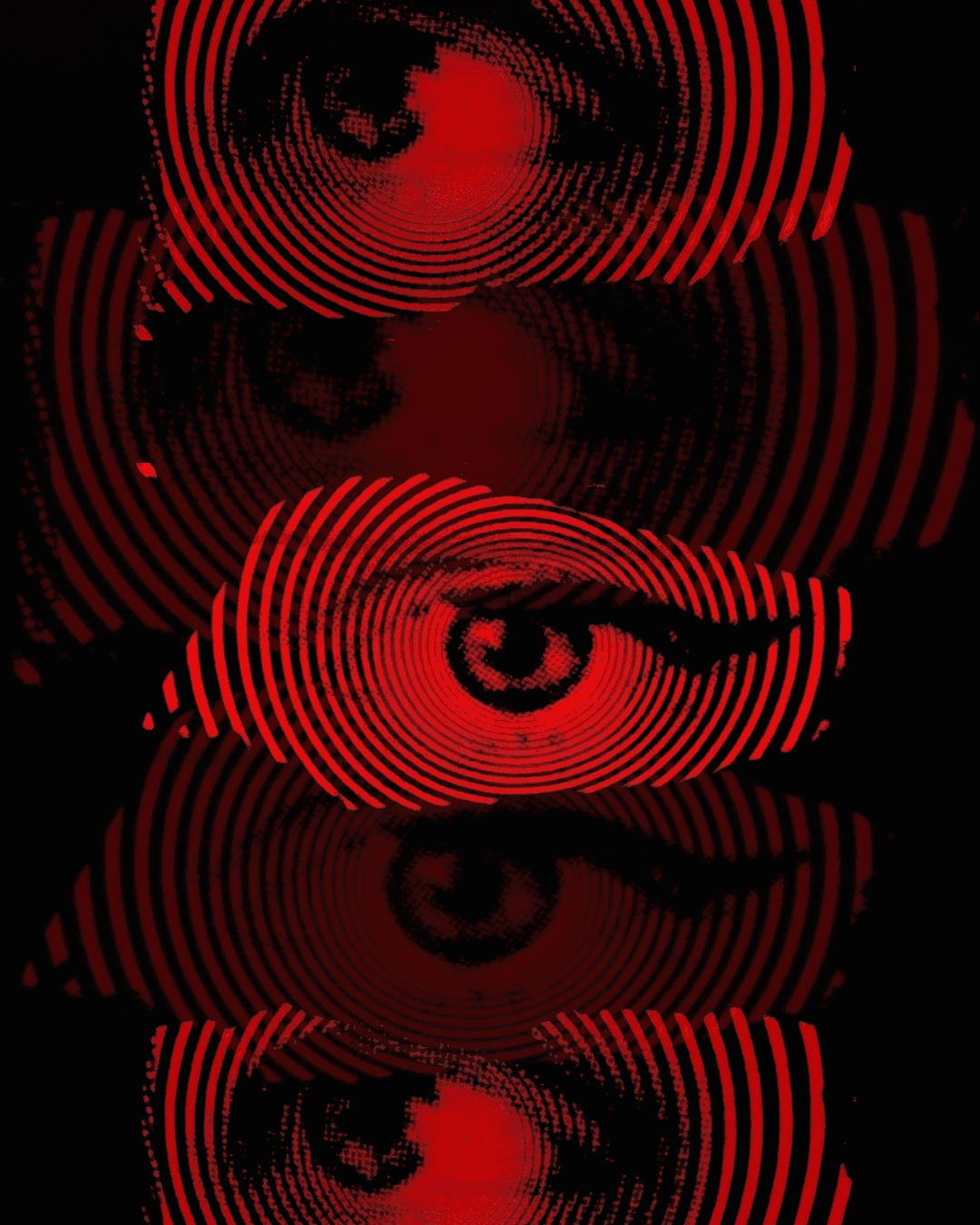
Today, if we strip the logo of its bright red colour and change it to green or pink or yellow, it would change the whole meaning and strength of the logo. Such is the power of red. It makes us look into its eyes. It makes us see what it wants us to see. It makes us hear what the message is. It makes us taste what it wants us to savour. And somehow no other colour in the entire Pantone shade card has the audacity to do so.
Now let’s look at the science of it. Red enjoys the longest wavelength of 620-750 nanometres, which makes it scatter less. As a result, it is visible from faraway distances. Red strongly triggers human alertness due to its high contrast against most backgrounds. It works like an urgency button in the mind to act on anything that needs attention.
Advertising knows this power oh so well. It has been using the brilliance of red for decades. In-fact much before advertising, great arts have used it to its full potential. Henri Matisse used red beautifully in the painting ‘The Dessert - Harmony in Red’. Vincent Van Gogh painted ‘The Red Vineyards near Arles’, which incidentally became the only painting he sold during his lifetime. Caravaggio painted ‘Saint Jerome Writing’ and showed the striking contrast of a red drape on a dark background.
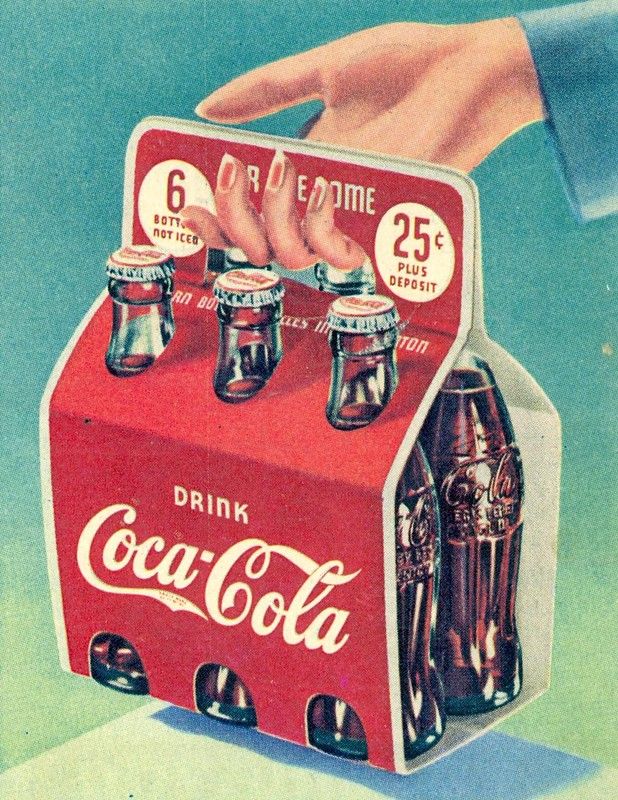
Back in the 1920’s, a lot of advertisements started getting printed in colour. You could see well-dressed men and women in flawless illustrations, selling cigarettes to washing soap. One ad of Kellogg’s Pep cereal printed in 1927 stands out with the usage of red to write the brand name ‘PEP’ big and bold. We could also see many movie posters starting to use the colour to show the emotion and the subject. Coco-Cola became one of the leading brands to use this colour for their logo and advertisements. They have been successfully creating their brand identity with this colour for over a century now.
It is the versatility of this colour that keeps its relevance alive. From pain to love. From violence to beauty. From fear to strength.
It can be used to underline exactly what we want the viewers to see. Pizza Hut, KFC and McDonalds have all used red to show appetising food. Since these brands sell fast food, red helps to bring a sense of urgency to hunger. Their signboards are able to turn people’s heads in a crowded street and the billboards are able to build in an element of playfulness to the communication.
Since red signifies power, energy and speed, many automobile and aviation brands end up picking this colour as well. Tesla, Toyota, Ferrari and Virgin have grabbed people’s attention and sold them products and experiences. In India quick commerce brands like Zomato and Swiggy have also used red for the very same reason.
Another reason we see a lot of red in communication is to announce discounts and sale. Whether it is an e-commerce brand or an offline shop, every brand uses red to underline incentives. The big ‘50% Off’ on a ZARA shopfront and the word ‘FREE’ on a L’Oréal shampoo bottle, are a few examples of places where red is invariably used.
We are seeing cultural appropriation in communication by international brands, where red is used abundantly because it is a widely used colour in Indian aesthetics. Now, with the advent of AI in advertising, we are witnessing more and more usage of red in various digital communications. This trend is only likely to grow as AI understands colour psychology and the importance of correct colour. What is clear is that this colour has always been and will continue to be one of the most powerful tools in the world of advertising.