Fursat
For decades, progress has been measured in speed, automation, and connectivity. Screens became smaller, faster, and more powerful. Life moved online.
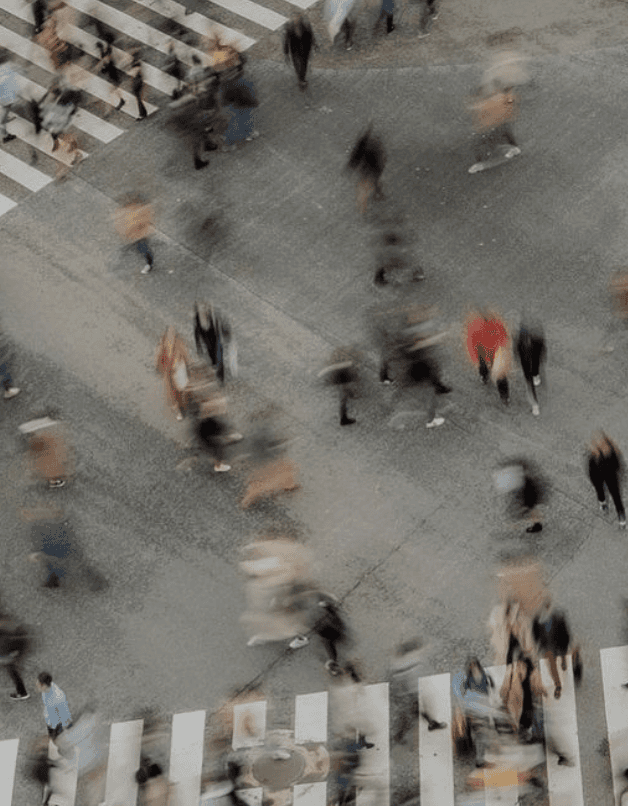
They say cities are built of stone and steel, but for me, Mumbai was built of a 7:00 PM flight and the scent of Lucknow still clinging to my collar. I arrived in August 2022, a twenty-one-year-old with the heart of an eight-year-old, stepping into a humid chaos that I had always found fascinating, yet strangely never felt fascinated by. Until I was inside it.
Our first anchor was the Manama Hotel. It stood as a silent witness to the industrial skeletal remains of the dockyards and the sterile white walls of St. George’s Hospital. To a boy from the plains of Uttar Pradesh, where the Gomti flows with a predictable, slow grace, the docks felt like the edge of the known world.
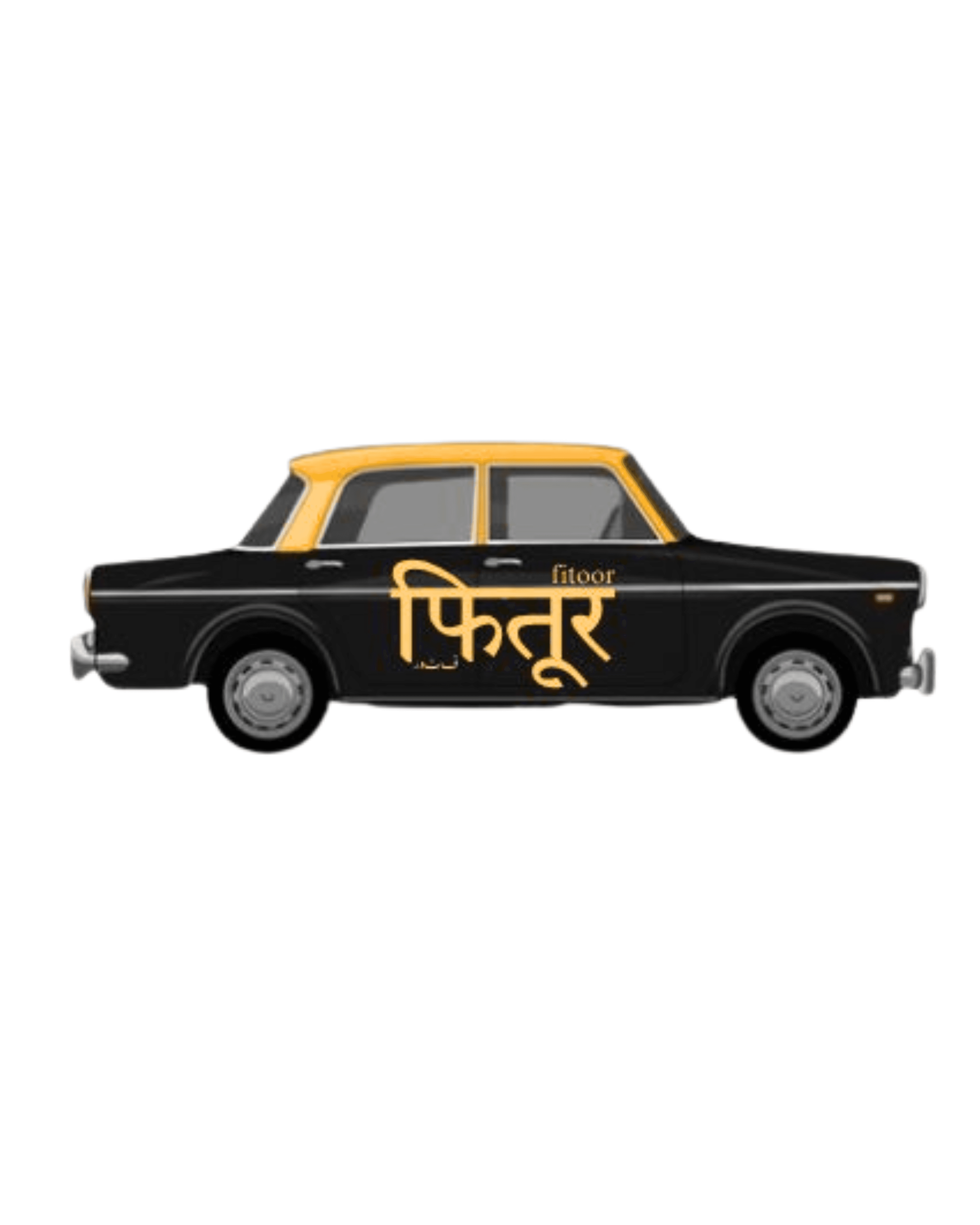
My father was with me. In Lucknow, the rhythm of life is dictated by the slow pedal of a rickshaw-wala and the polite negotiation of "Pehle Aap." Here, we were introduced to the Kali-Peeli the black-and-yellow sentinels of the street that operate on a logic of sheer kinetic energy. We walked the streets in search of a permanent roof, our footsteps swallowed by the roar of the city.
I remember the Metro Inox, standing like a monument to a different era, and the realization that I was no longer a spectator of stories; I was becoming one.
At 6:00 PM, a cab carried us toward Chowpatty. As we ascended the Marine Lines bridge, the horizon cracked open. There it was: the Arabian Sea. The Coastal Road was still a jagged wound of construction, but the water... the water was a revelation.
We sat on the sand, a father and a son, two migrants in a city of millions. We ate Pav Bhaji, the spices of the street masking the salt in the air. My father, a man who has spent his entire life ensuring his children’s wishes were fulfilled before they were even whispered, sat there clicking pictures of me. In his eyes, I saw a quiet triumph. He was giving me the world he never had, even if that world felt intimidatingly vast.
Mumbai has been a crucible. It gave me my first theater experience, where the stage felt more real than the street; it gave me my first drink, a liquid initiation into adulthood. But as the city took me in, it also took my time.
It is a city that demands you trade your "Pehle Aap" for "Pehle Main."
In Lucknow, fursat is a way of life. In Mumbai, fursat is a luxury that even the billionaires cannot afford. There is a haunting quality to the way this city breathes, it is the breath of a runner who never intends to stop. I often look at the sea and think of the lines that define my relationship with this concrete behemoth "Is shehar ki fursat se tareef toh karun mai, par kya shehar ke pass itni fursat hai?" (I would praise this city with all the leisure of my soul, but does the city have the leisure to listen?
To live in Mumbai is to live in a state of beautiful despair to be surrounded by millions and yet remain intensely, almost sacredly, alone. It is a city that demands you trade your "Pehle Aap" for "Pehle Main."
Yet, like the ghosts of the past are always present. Every time I see a Kali-Peeli, I see my father figuring out the meter. Every time I smell the salt at Marine Drive, I taste that first Pav Bhaji with papa Mumbai didn't just change my address; it changed my velocity. I came here looking for a degree, but I found a mirror. It is a city that doesn't love you back, yet you cannot leave. It is a fever you don't want to cure. I am still that boy from the 7:00 PM flight, still looking for fursat in a city that only knows how to run.
By Devendra Pratap Singh