A Dream Called Tia, Lost in Red
She was everything I had once believed my future would hold. I would picture us in fragments of a life not yet lived, playing together, teasing, feeding, dressing her up. These were not grand fantasies, but small, tender rehearsals of a life I thought would arrive on time.
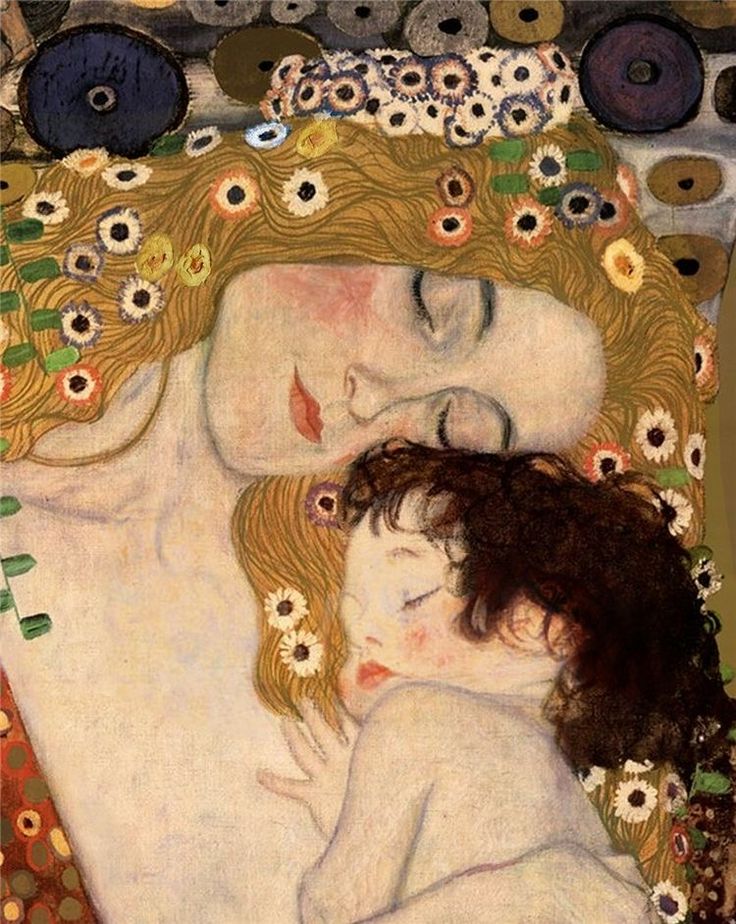
I first dreamt of her when I was twenty-six. She had a round, luminous face, dark, gleaming eyes, and a mischievous grin that could soften any heart. She was the daughter I had conjured into being, imagined with such care that I had even given her a name, Tia.
Tia was born of those quiet, insistent motherhood pangs that visit you in your mid-twenties. She was everything I had once believed my future would hold. I would picture us in fragments of a life not yet lived, playing together, teasing, feeding, dressing her up. These were not grand fantasies, but small, tender rehearsals of a life I thought would arrive on time.
And yet, this dream called Tia was suspended within a strange generational shift. The women of my mother’s generation would not have had to imagine her at all. My mother, after all, had me at twenty-six. The younger, more unburdened Gen Z perhaps would not understand the urgency of longing for a responsibility as consuming as motherhood.
As a millennial woman, I found myself caught somewhere in between. I was raised to aspire to domestic contentment, a happy home, a complete family, and, at the same time, to excel professionally, to be independent, to have it all. Somewhere in the relentless pursuit of that “all,” Tia remained just that, a dream, deferred year after year.
And then, last year, I met her. Not in the way I had imagined, but abruptly, almost violently. My partner and I had only just begun to speak, tentatively, about the possibility of a family. And then, one ordinary day, seated in my bathroom, I saw her.
She was red.
Large, thick pools of red, trickling down my thighs, staining the bathroom floor. It was a red I did not recognise. The red I had known since my early teens came every month, familiar in its discomfort, accompanied by irritability, by exhaustion, by the quiet resignation of routine. But this was different. This red carried with it a weight I had never encountered before, disappointment, grief, an unnameable sense of loss.
It is a strange irony that the same red which arrives each month as a reminder of a woman’s power to create life can also become the colour that marks its end.
In the days that followed the unexpected termination of my pregnancy, I was met with a curious range of responses. My mother seemed relieved that I was, at least, considering the idea of a family. My mother-in-law was disappointed that I had not told her sooner. My husband, caught up in the urgency of medical procedures and practicalities, struggled to find the space for words, or even for visible emotion.
Most others said nothing at all.
The truth is, we are taught how to respond to beginnings and endings. We celebrate birth, we mourn death. But the loss of a life that had not yet fully begun exists in a kind of social vacuum. There are no rituals for it, no shared language. And so we learn to look away, to smooth it over, to replace discomfort with silence.
A few days after the miscarriage, I remember telling my mother how disappointed I felt that so few friends and family had called to check on me. She paused, and then said gently, “But wouldn’t that have been too embarrassing for you?”
I could not understand what she meant.
Perhaps if she had known about my secret dream called Tia, she would have understood that embarrassment was the last thing I felt. What I longed for was something far simpler, for someone to acknowledge her, to hold me, and to grieve her with me.
It has been nearly a year since that day. And yet, not a single day passes without the memory returning. Each time, it comes back in the same form,
large, thick, unrelenting red.